The Paradox of Care: Mistrust and Tradition Fueling Violence Against Ebola Response
关怀的悖论:不信任与传统助长针对埃博拉应对措施的暴力
Escalating Violence Against Health Facilities
Healthcare facilities dedicated to treating Ebola are increasingly becoming targets of violent community unrest. These attacks severely undermine containment efforts, allowing the virus to proliferate unchecked within vulnerable populations. The aggression stems not from malice, but from a profound breakdown in communication and trust between medical responders and local residents.
针对医疗设施的暴力不断升级
专门用于治疗埃博拉患者的医疗机构正日益成为社区暴力动荡的目标。这些袭击严重削弱了疫情遏制工作,使病毒在脆弱人群中不受控制地蔓延。这种攻击行为并非出于恶意,而是源于医疗救援人员与当地居民之间沟通和信任的严重破裂。
The Roots of Deep-Seated Skepticism
Historical marginalization and misinformation have cultivated a fertile ground for conspiracy theories regarding foreign medical interventions. Many locals perceive isolation centers as death traps rather than places of healing, fueled by the high mortality rate associated with the disease. This skepticism is exacerbated when families are denied access to their sick relatives, creating an emotional chasm that logic alone cannot bridge.
根深蒂固的怀疑之根源
历史上的边缘化和错误信息为有关外国医疗干预的阴谋论提供了滋生的土壤。许多当地人将隔离中心视为死亡陷阱,而非治愈之地,这与该疾病的高死亡率密切相关。当家属被禁止接触患病亲人时,这种怀疑情绪进一步加剧,造成了一道仅靠理性无法弥合的情感鸿沟。
Cultural Rituals Versus Biosecurity Protocols
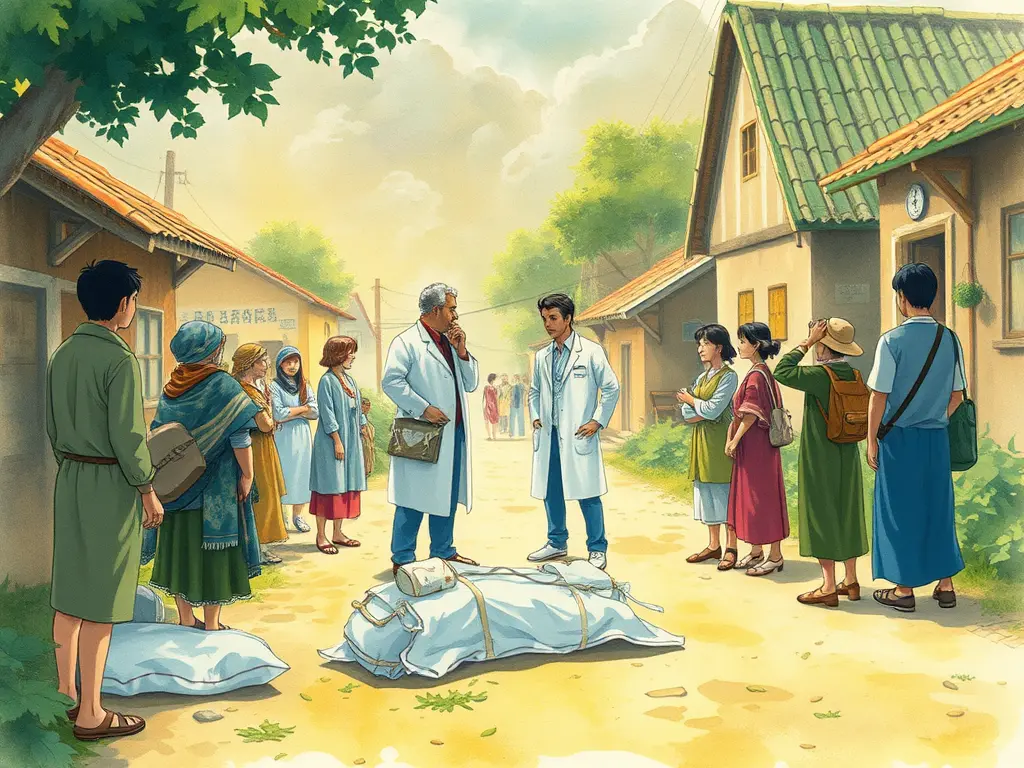
A central point of conflict lies in the clash between traditional burial rites and strict biosecurity protocols. In many affected cultures, washing and touching the deceased is a sacred duty essential for the soul's peaceful transition. However, Ebola remains highly contagious post-mortem, necessitating immediate sealing of bodies in protective bags, which communities view as a disrespectful desecration of their ancestors.
文化仪式与生物安全协议的冲突
冲突的核心在于传统葬礼习俗与严格生物安全协议之间的碰撞。在许多受影响的文化中,清洗和触摸逝者是一项神圣的职责,对于灵魂的安宁过渡至关重要。然而,埃博拉病毒在死后仍具有高度传染性,因此必须立即将遗体装入防护袋密封,这被社区视为对祖先的不敬亵渎。
The Psychological Impact of Isolation
The visual symbolism of white hazmat suits and opaque body bags creates an atmosphere of alienation and fear. These images reinforce the narrative that health workers are distant, unfeeling agents of death rather than compassionate caregivers. Without cultural mediators to humanize the medical response, the protective gear intended to save lives inadvertently fuels the hostility that endangers them.
隔离的心理影响
白色防护服和不透明尸袋所呈现的视觉象征,营造了一种疏离和恐惧的氛围。这些形象强化了这样一种叙事:卫生工作者是冷漠的死亡使者,而非富有同情心的照护者。如果没有文化调解人来赋予医疗应对工作以人性色彩,那些旨在拯救生命的防护装备反而会无意中助长危及他们安全的敌意。
Pathways to Community Engagement
Resolving this crisis requires a shift from enforcement to empathetic engagement with community leaders and religious figures. Integrating safe burial practices that respect cultural dignity while maintaining medical safety is crucial for rebuilding trust. Only by acknowledging the validity of local grief and traditions can health organizations hope to secure the cooperation necessary to eradicate the outbreak.
社区参与的路径
解决这一危机需要从强制执法转向与社区领袖和宗教人物进行富有同理心的互动。整合既尊重文化尊严又保持医疗安全的丧葬做法,对于重建信任至关重要。只有承认当地哀悼方式和传统的有效性,卫生组织才有可能获得根除疫情所需的合作。
0 Comments
Please login to leave a comment