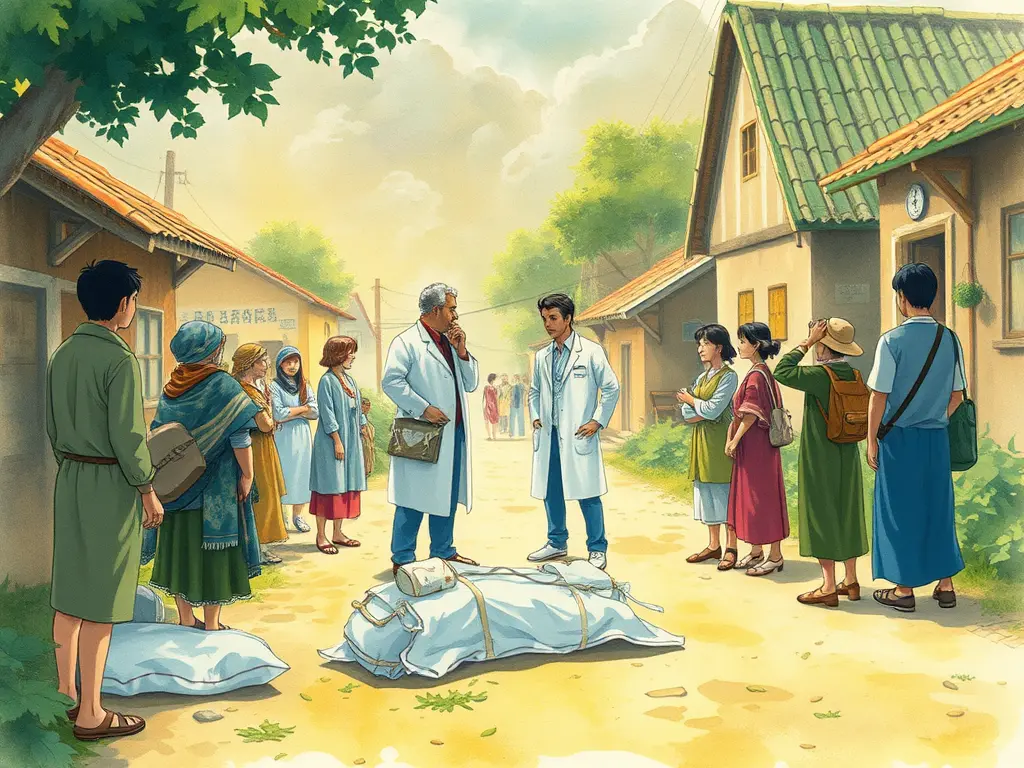
The Paradox of Care: Mistrust and Tradition Fueling Violence Against Ebola Response
ความย้อนแย้งของการดูแล: ความไม่ไว้วางใจและประเพณีดั้งเดิมที่กระตุ้นความรุนแรงต่อการรับมือโรคอีโบลา
Escalating Violence Against Health Facilities
Healthcare facilities dedicated to treating Ebola are increasingly becoming targets of violent community unrest. These attacks severely undermine containment efforts, allowing the virus to proliferate unchecked within vulnerable populations. The aggression stems not from malice, but from a profound breakdown in communication and trust between medical responders and local residents.
ความรุนแรงต่อสถานพยาบาลที่ทวีความรุนแรงขึ้น
สถานพยาบาลที่อุทิศตนเพื่อการรักษาผู้ป่วยโรคอีโบลากำลังกลายเป็นเป้าหมายของความรุนแรงจากการจลาจลในชุมชนมากขึ้นเรื่อยๆ การโจมตีเหล่านี้บ่อนทำลายความพยายามในการควบคุมโรคอย่างร้ายแรง ทำให้ไวรัสแพร่กระจายอย่างไม่สามารถควบคุมได้ในกลุ่มประชากรที่เปราะบาง ความก้าวร้าวนี้ไม่ได้เกิดจากความประสงค์ร้าย แต่เกิดจากความล้มเหลวอย่างลึกซึ้งในการสื่อสารและความไว้วางใจระหว่างบุคลากรทางการแพทย์และชาวบ้านในพื้นที่
The Roots of Deep-Seated Skepticism
Historical marginalization and misinformation have cultivated a fertile ground for conspiracy theories regarding foreign medical interventions. Many locals perceive isolation centers as death traps rather than places of healing, fueled by the high mortality rate associated with the disease. This skepticism is exacerbated when families are denied access to their sick relatives, creating an emotional chasm that logic alone cannot bridge.
รากเหง้าของความเคลือบแคลงใจที่ฝังรากลึก
การถูกกีดกันทางสังคมในอดีตและข้อมูลเท็จได้สร้างสภาพแวดล้อมที่เหมาะสมให้เกิดทฤษฎีสมคบคิดเกี่ยวกับการแทรกแซงทางการแพทย์จากต่างประเทศ ชาวบ้านจำนวนมากมองว่าศูนย์กักกันเป็นกับดักมรณะมากกว่าสถานที่รักษาพยาบาล ซึ่งความรู้สึกนี้ถูกกระตุ้นโดยอัตราการเสียชีวิตสูงที่เกี่ยวข้องกับโรคดังกล่าว ความเคลือบแคลงใจนี้ยิ่งทวีความรุนแรงขึ้นเมื่อครอบครัวถูกปฏิเสธไม่ให้เข้าถึงญาติที่เจ็บป่วย สร้างช่องว่างทางอารมณ์ที่ตรรกะเพียงอย่างเดียวไม่สามารถเติมเต็มได้
Cultural Rituals Versus Biosecurity Protocols
A central point of conflict lies in the clash between traditional burial rites and strict biosecurity protocols. In many affected cultures, washing and touching the deceased is a sacred duty essential for the soul's peaceful transition. However, Ebola remains highly contagious post-mortem, necessitating immediate sealing of bodies in protective bags, which communities view as a disrespectful desecration of their ancestors.
พิธีกรรมทางวัฒนธรรมปะทะกับโปรโตคอลความปลอดภัยทางชีวภาพ
จุดขัดแย้งหลักอยู่ที่ความ clash ระหว่างพิธีกรรมศพแบบดั้งเดิมกับมาตรการความปลอดภัยทางชีวภาพที่เข้มงวด ในหลายวัฒนธรรมที่ได้รับผลกระทบ การชำระล้างและสัมผัสผู้เสียชีวิตเป็นหน้าที่ศักดิ์สิทธิ์ที่จำเป็นสำหรับการเปลี่ยนผ่านของดวงวิญญาณไปสู่สุขติ อย่างไรก็ตาม เชื้ออีโบลายังคงติดต่อได้ง่ายสูงแม้หลังเสียชีวิต จำเป็นต้องมีการปิดผนึกร่างกายในถุงป้องกันทันที ซึ่งชุมชนมองว่าเป็นการลบหลู่บรรพบุรุษของพวกเขาอย่างไม่ให้เกียรติ
The Psychological Impact of Isolation
The visual symbolism of white hazmat suits and opaque body bags creates an atmosphere of alienation and fear. These images reinforce the narrative that health workers are distant, unfeeling agents of death rather than compassionate caregivers. Without cultural mediators to humanize the medical response, the protective gear intended to save lives inadvertently fuels the hostility that endangers them.
ผลกระทบทางจิตใจจากการแยกตัว
สัญลักษณ์ภาพของชุดป้องกันสารเคมีสีขาวและถุงใส่ศพทึบแสง สร้างบรรยากาศของความแปลกแยกและความกลัว ภาพเหล่านี้ตอกย้ำแนวคิดที่ว่าบุคลากรทางการแพทย์เป็นตัวแทนแห่งความตายที่ห่างไกลและไร้ความรู้สึก แทนที่จะเป็นผู้ดูแลที่มีความเห็นอกเห็นใจ หากไม่มีคนกลางทางวัฒนธรรม来帮助ทำให้การตอบสนองทางการแพทย์ดูเป็นมนุษย์มากขึ้น อุปกรณ์ป้องกันที่มุ่งหมายเพื่อช่วยชีวิตกลับกลายเป็นเชื้อเพลิงให้ความเป็นศัตรูโดยไม่ได้ตั้งใจ ซึ่งเป็นการสร้างความเสี่ยงต่อชีวิตของพวกเขา
Pathways to Community Engagement
Resolving this crisis requires a shift from enforcement to empathetic engagement with community leaders and religious figures. Integrating safe burial practices that respect cultural dignity while maintaining medical safety is crucial for rebuilding trust. Only by acknowledging the validity of local grief and traditions can health organizations hope to secure the cooperation necessary to eradicate the outbreak.
แนวทางสู่การมีส่วนร่วมของชุมชน
การแก้ไขวิกฤตนี้จำเป็นต้องเปลี่ยนจากการบังคับใช้กฎหมายมาสู่การมีส่วนร่วมด้วยความเห็นอกเห็นใจกับผู้นำชุมชนและfiguresทางศาสนา การบูรณาการแนวปฏิบัติในการฝังศพที่ปลอดภัยซึ่งเคารพในศักดิ์ศรีทางวัฒนธรรมในขณะที่รักษามาตรฐานความปลอดภัยทางการแพทย์เป็นสิ่งสำคัญสำหรับการฟื้นฟูความไว้วางใจ มีเพียงการยอมรับความถูกต้องของความเศร้าโศกและประเพณีท้องถิ่นเท่านั้น ที่องค์กรด้านสุขภาพจะหวังได้รับความร่วมมือที่จำเป็นเพื่อกำจัดการระบาดให้ได้
0 Comments
Please login to leave a comment