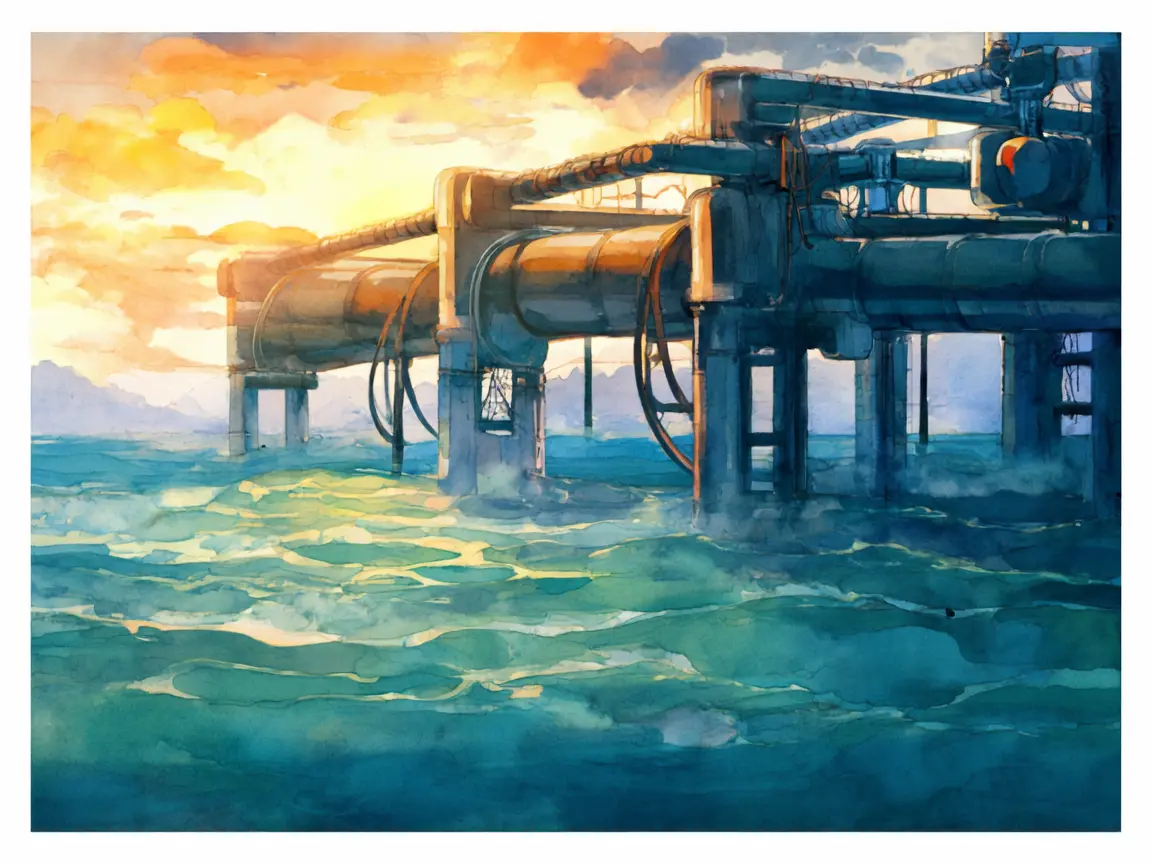
Japan Discharges Nuclear Wastewater Into Pacific
ญี่ปุ่นปล่อยน้ำเสียจากโรงไฟฟ้านิวเคลียร์ลงสู่ทะเลแปซิฟิก
Initiation of the 24th Cycle
Japan has officially commenced the twenty-fourth cycle of releasing treated nuclear wastewater into the Pacific Ocean. This ongoing process stems from the aftermath of the 2011 Fukushima Daiichi nuclear disaster. The Tokyo Electric Power Company manages the discharge through a dedicated intake point near the facility.
การเริ่มต้นรอบที่ 24
ญี่ปุ่นได้เริ่มดำเนินการปล่อยน้ำเสีย经过处理后จากโรงไฟฟ้านิวเคลียร์ลงสู่ทะเลแปซิฟิกอย่างเป็นทางการในรอบที่ 24 แล้ว กระบวนการต่อเนื่องนี้มีรากฐานมาจากเหตุการณ์ภัยพิบัติทางนิวเคลียร์ที่โรงงานไฟฟ้าฟุกุชิมะไดอิจิในปี 2011 โดยบริษัทโตเกียวอิเลกทริกพาวเวอร์ (TEPCO) เป็นผู้จัดการการระบายน้ำผ่านจุดรับน้ำเฉพาะที่อยู่ใกล้กับสถานที่เกิดเหตุ
Technical Safety Protocols
Authorities maintain that the water undergoes rigorous treatment via the Advanced Liquid Processing System. This method removes most radioactive isotopes, leaving only tritium at levels deemed safe by international standards. Continuous monitoring ensures compliance with regulatory limits throughout the entire discharge period.
มาตรการด้านความปลอดภัยทางเทคนิค
หน่วยงานที่เกี่ยวข้องยืนยันว่าน้ำดังกล่าวผ่านการบำบัดอย่างเข้มงวดด้วยระบบประมวลผลของเหลวขั้นสูง (Advanced Liquid Processing System) วิธีการนี้ช่วยกำจัดไอโซโทปกัมมันตรังสีส่วนใหญ่ เหลือเพียงธาตุทริเทียมในระดับที่ถือว่าปลอดภัยตามมาตรฐานสากล การตรวจสอบอย่างต่อเนื่องช่วยให้มั่นใจว่าการปฏิบัติตามขีดจำกัดกฎระเบียบเป็นไปอย่างเคร่งครัดตลอดช่วงระยะเวลาการปล่อยน้ำ
Diplomatic Friction and Scrutiny
Despite these assurances, the move has intensified diplomatic tensions across the region. Countries such as China and South Korea have expressed deep concern regarding potential ecological impacts. International bodies continue to scrutinize the data transparency and long-term environmental consequences of the releases.
ความตึงเครียดทางการทูตและการตรวจสอบ scrutinize
แม้มีคำรับรองเหล่านี้ แต่การตัดสินใจดังกล่าวยิ่งเพิ่มความตึงเครียดทางการทูตในภูมิภาค ประเทศต่างๆ เช่น จีนและเกาหลีใต้ ได้แสดงความกังวลอย่างลึกซึ้งเกี่ยวกับผลกระทบเชิงนิเวศที่อาจเกิดขึ้น องค์กรระหว่างประเทศยังคงติดตามตรวจสอบอย่างใกล้ชิดเรื่องความโปร่งใสของข้อมูลและผลกระทบระยะยาวต่อสิ่งแวดล้อมจากการปล่อยน้ำดังกล่าว
Economic Ramifications for Locals
The local fishing industry faces significant challenges due to persistent public skepticism. Consumers in domestic and export markets often associate any discharge with contamination risks. Consequently, Japanese fisheries are struggling to rebuild consumer trust and stabilize market prices amid these geopolitical pressures.
ผลกระทบทางเศรษฐกิจต่อประชาชนในพื้นที่
อุตสาหกรรมประมงท้องถิ่นกำลังเผชิญกับความท้าทายสำคัญเนื่องจากความไม่ไว้วางใจจากสาธารณชนที่ยังคงมีอยู่ ผู้บริโภคทั้งในตลาดภายในประเทศและตลาดส่งออกมักเชื่อมโยงการปล่อยน้ำใดๆ กับความเสี่ยงของการปนเปื้อน ส่งผลให้ภาคการประมงของญี่ปุ่นต้องดิ้นรนเพื่อฟื้นฟูความไว้วางใจจากผู้บริโภคและรักษาเสถียรภาพของราคาตลาด ท่ามกลางแรงกดดันทางภูมิรัฐศาสตร์เหล่านี้
Long-Term Implications
This phase represents a critical juncture in the decades-long cleanup effort at Fukushima. The success of current operations will influence future strategies for managing stored water. Stakeholders remain divided on whether the benefits of decommissioning outweigh the perceived environmental risks.
ผลกระทบในระยะยาว
ขั้นตอนนี้เป็นจุดเปลี่ยนสำคัญในความพยายามทำความสะอาดพื้นที่ฟุกุชิมะที่ยืดเยื้อมาหลายทศวรรษ ความสำเร็จของการดำเนินงานในปัจจุบันจะส่งผลต่อกลยุทธ์ในอนาคตในการจัดการน้ำที่เก็บสะสมไว้ ผู้มีส่วนได้ส่วนเสียยังคงมีความเห็นแตกแยกกัน regarding ว่าประโยชน์จากการรื้อถอนโรงไฟฟ้าจะ outweigh ความเสี่ยงต่อสิ่งแวดล้อมที่รับรู้หรือไม่
0 Comments
Please login to leave a comment