The Paradox of Care: Mistrust and Tradition Fueling Violence Against Ebola Response
돌봄의 역설: 불신과 전통이 에볼라 대응에 대한 폭력을 부추기다
Escalating Violence Against Health Facilities
Healthcare facilities dedicated to treating Ebola are increasingly becoming targets of violent community unrest. These attacks severely undermine containment efforts, allowing the virus to proliferate unchecked within vulnerable populations. The aggression stems not from malice, but from a profound breakdown in communication and trust between medical responders and local residents.
의료 시설에 대한 폭력 사태의 격화
에볼라 치료에 전념하는 의료 시설들이 지역 사회의 격렬한 불안과 폭력의 표적이 되고 있습니다. 이러한 공격은 봉쇄 노력을 심각하게 훼손하여, 취약 계층 사이에서 바이러스가 통제되지 않은 채 확산되도록 만듭니다. 이 같은 적대 행위는 악의에서 비롯된 것이 아니라, 의료 대응팀과 지역 주민 간의 소통과 신뢰가 근본적으로 붕괴되었기 때문에 발생합니다.
The Roots of Deep-Seated Skepticism
Historical marginalization and misinformation have cultivated a fertile ground for conspiracy theories regarding foreign medical interventions. Many locals perceive isolation centers as death traps rather than places of healing, fueled by the high mortality rate associated with the disease. This skepticism is exacerbated when families are denied access to their sick relatives, creating an emotional chasm that logic alone cannot bridge.
根深蒂固한 회의주의의 뿌리
역사적인 소외와 잘못된 정보는 외국 의료 개입에 대한 음모론이 퍼지기 좋은 토양을 만들어냈습니다. 많은 지역 주민들은 질병과 관련된 높은 치명률 때문에 격리 센터를 치유의 장소가 아닌 죽음의 함정으로 인식합니다. 또한 가족들이 아픈 친족과의 면회를 금지당하면서 이러한 회의감은 더욱 증폭되며, 논리만으로 메울 수 없는 감정적 균열을 초래합니다.
Cultural Rituals Versus Biosecurity Protocols
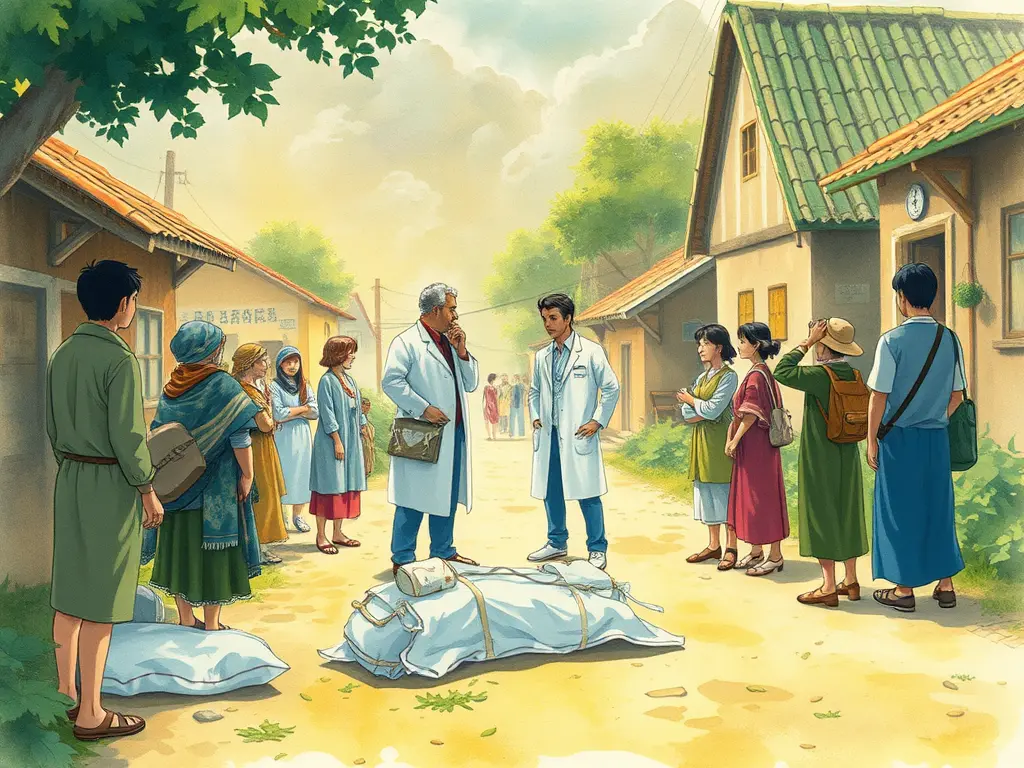
A central point of conflict lies in the clash between traditional burial rites and strict biosecurity protocols. In many affected cultures, washing and touching the deceased is a sacred duty essential for the soul's peaceful transition. However, Ebola remains highly contagious post-mortem, necessitating immediate sealing of bodies in protective bags, which communities view as a disrespectful desecration of their ancestors.
문화적 의식과 생물학적 안전 프로토콜의 충돌
갈등의 핵심은 전통적인 장례 의식과 엄격한 생물학적 안전 규정 사이의 충돌에 있습니다. 많은 영향권 문화권에서 고인의 몸을 씻고 만지는 것은 영혼의 평안한 안식을 위해 필수적인 신성한 의무입니다. 그러나 에볼라 바이러스는 사후에도 강력한 전염력을 유지하므로, 시신을 즉시 보호용 가방에 밀봉해야 합니다. 지역사회는 이를 조상에 대한 무례하고 모독적인 행위로 간주합니다.
The Psychological Impact of Isolation
The visual symbolism of white hazmat suits and opaque body bags creates an atmosphere of alienation and fear. These images reinforce the narrative that health workers are distant, unfeeling agents of death rather than compassionate caregivers. Without cultural mediators to humanize the medical response, the protective gear intended to save lives inadvertently fuels the hostility that endangers them.
격리가 주는 심리적 영향
흰색 방호복과 불투명한 시신 가방이라는 시각적 상징은 소외감과 공포의 분위기를 조성합니다. 이러한 이미지들은 의료진이 자비로운 돌봄 제공자가 아니라, 거리감 있고 냉담한 죽음의 대리인이라는 인식을 강화합니다. 의료 대응을 인간적으로 연결해 줄 문화 중재자가 없다면, 생명을 구하기 위해 설계된 보호 장비가 오히려 의료진의 안전을 위협하는 적대감을 부추기는 역설적 결과를 낳습니다.
Pathways to Community Engagement
Resolving this crisis requires a shift from enforcement to empathetic engagement with community leaders and religious figures. Integrating safe burial practices that respect cultural dignity while maintaining medical safety is crucial for rebuilding trust. Only by acknowledging the validity of local grief and traditions can health organizations hope to secure the cooperation necessary to eradicate the outbreak.
지역사회 참여를 위한 방안
이 위기를 해결하려면 강압적인 조치에서 지역사회 지도자 및 종교 지도자와의 공감 기반 협력으로 전환해야 합니다. 의료적 안전을 유지하면서도 문화적 존엄성을 존중하는 안전한 장례 관행을 통합하는 것이 신뢰 회복에 중요합니다. 지역 사회의 슬픔과 전통의 정당성을 인정할 때만, 보건 기관들이 발병 근절에 필요한 협력을 확보할 수 있을 것입니다.
0 Comments
Please login to leave a comment