The Paradox of Care: Mistrust and Tradition Fueling Violence Against Ebola Response
ケアのパラドックス:不信と伝統がエボラ対策への暴力を助長
Escalating Violence Against Health Facilities
Healthcare facilities dedicated to treating Ebola are increasingly becoming targets of violent community unrest. These attacks severely undermine containment efforts, allowing the virus to proliferate unchecked within vulnerable populations. The aggression stems not from malice, but from a profound breakdown in communication and trust between medical responders and local residents.
医療施設に対する暴力のエスカレート
エボラ治療に専念する医療施設が、地域社会の激しい騒動による暴力の標的となることが増えています。これらの攻撃は封じ込め努力を大きく損ない、ウイルスが脆弱な集団内で抑制されずに蔓延することを許しています。この攻撃性は悪意から生じるものではなく、医療対応チームと地域住民の間でのコミュニケーションと信頼の深刻な崩壊に起因しています。
The Roots of Deep-Seated Skepticism
Historical marginalization and misinformation have cultivated a fertile ground for conspiracy theories regarding foreign medical interventions. Many locals perceive isolation centers as death traps rather than places of healing, fueled by the high mortality rate associated with the disease. This skepticism is exacerbated when families are denied access to their sick relatives, creating an emotional chasm that logic alone cannot bridge.
根深い懐疑心の根源
歴史的な疎外と誤情報は、外国からの医療介入に関する陰謀論が育つ肥沃な土壌を生み出してきました。多くの地元住民は、隔離センターを癒しの場ではなく、この疾患に関連する高い死亡率も相まって、死の罠だと捉えています。家族が病気の親族との面会を拒否されると、この懐疑心はさらに強まり、論理だけでは埋められない感情的な溝が生じます。
Cultural Rituals Versus Biosecurity Protocols
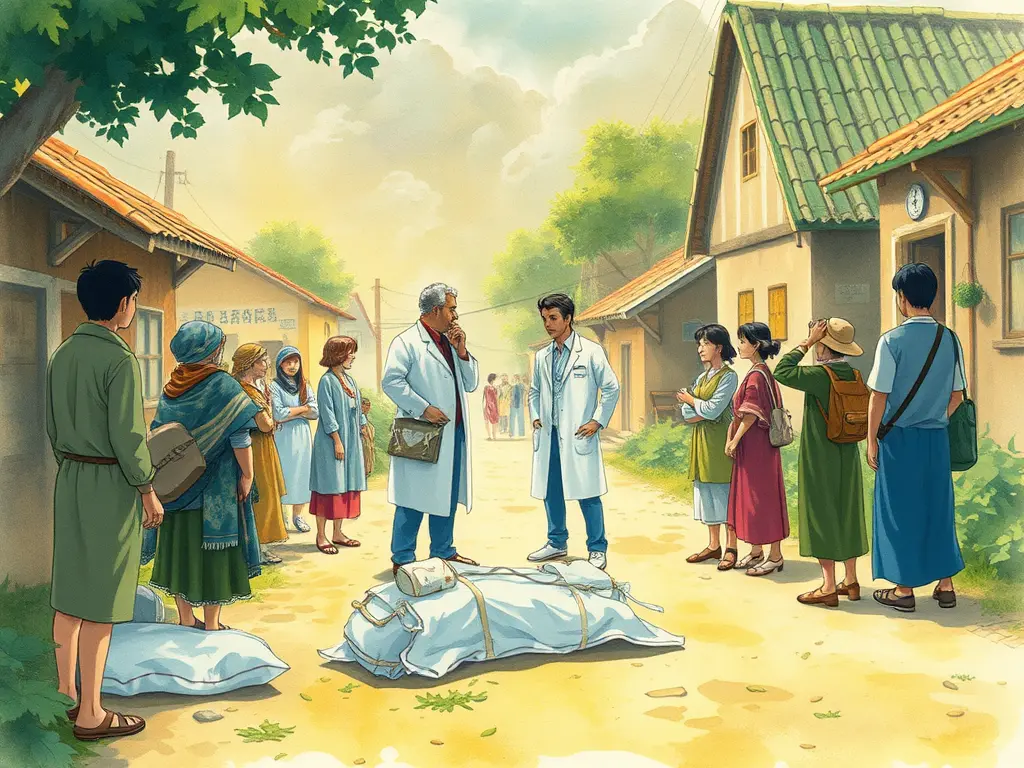
A central point of conflict lies in the clash between traditional burial rites and strict biosecurity protocols. In many affected cultures, washing and touching the deceased is a sacred duty essential for the soul's peaceful transition. However, Ebola remains highly contagious post-mortem, necessitating immediate sealing of bodies in protective bags, which communities view as a disrespectful desecration of their ancestors.
文化的儀礼と生物学的安全プロトコルの対立
対立の中心にあるのは、伝統的な埋葬儀式と厳格な生物学的安全プロトコルとの衝突です。影響を受けた多くの文化圏では、故人の遺体を洗浄し触れることは、魂が平穏に移行するために不可欠な神聖な義務です。しかし、エボラウイルスは死後も非常に感染力が強いため、遺体を直ちに保護用バッグで密封する必要があります。これに対し、地域社会はこれを祖先に対する敬意を欠く冒涜行為だと見なしています。
The Psychological Impact of Isolation
The visual symbolism of white hazmat suits and opaque body bags creates an atmosphere of alienation and fear. These images reinforce the narrative that health workers are distant, unfeeling agents of death rather than compassionate caregivers. Without cultural mediators to humanize the medical response, the protective gear intended to save lives inadvertently fuels the hostility that endangers them.
隔離による心理的影響
白い防護服や不透明な遺体袋といった視覚的なシンボルは、疎外感と恐怖の雰囲気を作り出します。これらのイメージは、医療従事者が思いやりのある介護者ではなく、冷徹で感情のない死の使者であるという認識を強化します。医療対応を人間味のあるものにするための文化的仲介者が不在だと、命を守るはずの防護具が皮肉にも、彼らを危険にさらす敵対心をあおることになります。
Pathways to Community Engagement
Resolving this crisis requires a shift from enforcement to empathetic engagement with community leaders and religious figures. Integrating safe burial practices that respect cultural dignity while maintaining medical safety is crucial for rebuilding trust. Only by acknowledging the validity of local grief and traditions can health organizations hope to secure the cooperation necessary to eradicate the outbreak.
地域参加への道筋
この危機を解決するには、強制から地域リーダーや宗教指導者への共感的な関与へと転換する必要があります。医学的安全性を維持しつつ文化的尊厳を尊重する安全な埋葬習慣を取り入れることは、信頼再構築のために不可欠です。地元の悲しみや伝統の正当性を認めて初めて、保健機関は流行根絶に必要な協力を得られるようになるのです。
0 Comments
Please login to leave a comment