ロシア、国連安全保障理事会議席獲得を目指す日本とドイツを拒否
Diplomatic Obstruction
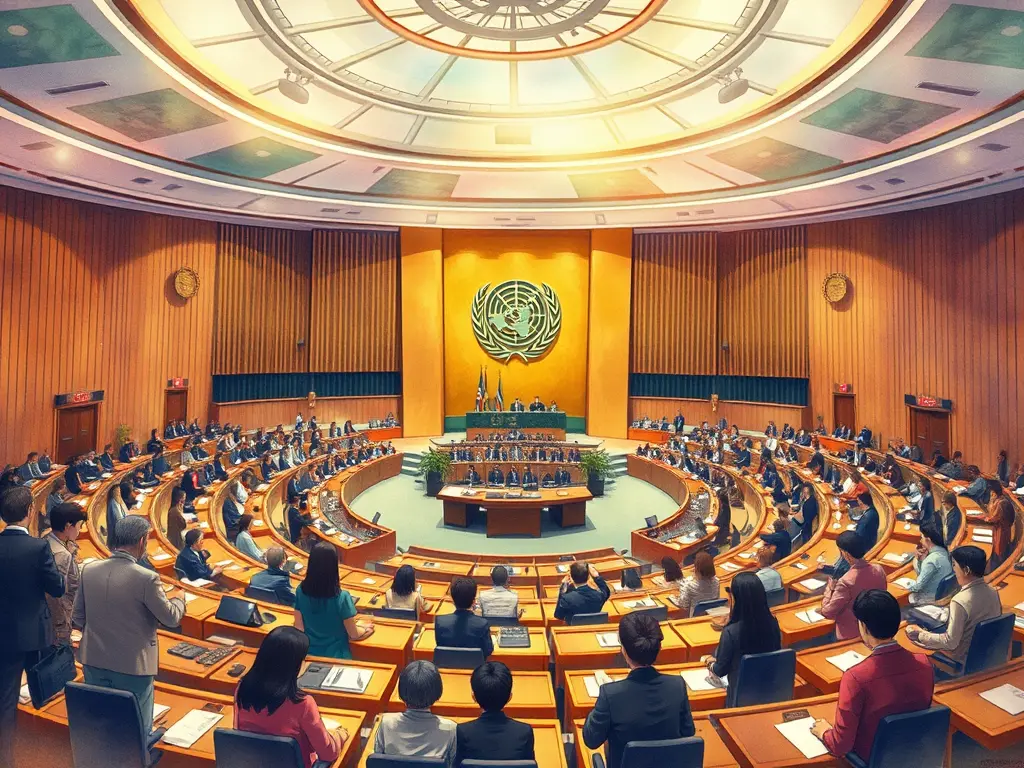
The Russian Federation has formally opposed the candidacy of both Japan and Germany for permanent seats on the UN Security Council. During the recent General Assembly session, this move signaled a significant diplomatic rift regarding the expansion of the council's membership structure.
外交上の妨害
ロシア連邦は、日本とドイツの国連安全保障理事会常任理事国への立候補に対して正式に反対した。最近の総会でのこの動きは、理事会のメンバーシップ拡大をめぐる重要な外交的亀裂を示している。
Historical Grievances
Foreign Minister Sergey Lavrov explicitly articulated Moscow's stance, citing historical grievances against Japan. He argued that current geopolitical alignments cannot be separated from past conflicts, thereby casting doubt on the suitability of Tokyo's bid for elevated international status.
歴史的経緯
セルゲイ・ラブロフ外相は、日本に対する歴史的怨恨を引用し、モスクワの立場を明確に表明した。彼は、現在の地政学的な連携は過去の紛争から切り離すことはできず、東京の上昇する国際的地位への入札の適切性に疑問を投げかけるものだと主張した。
European Security Implications
This veto power exercise introduces new complexities into ongoing debates concerning European security frameworks. By linking Asian diplomatic issues with broader continental stability concerns, Russia has effectively raised the stakes for Western-aligned nations seeking reform within the UN system.
欧州安全保障への影響
この拒否権の行使は、欧州安全保障枠組みに関する継続的な議論に新たな複雑さを導入した。アジアの外交問題をより広範な大陸の安定問題と結びつけることで、ロシアは国連システム内で改革を求める西側諸国の賭け金を効果的に引き上げた。
Strategic Deadlock
The opposition creates a strategic deadlock for Berlin and Tokyo, who have long advocated for multilateral reform. Without Russian consent, achieving the necessary two-thirds majority in the General Assembly becomes increasingly difficult, potentially stalling these ambitious diplomatic goals for years to come.
戦略的膠着状態
この反対は、長年にわたり多国間改革を提唱してきたベルリンと東京にとって戦略的な膠着状態を生み出している。ロシアの同意なしに、総会で必要な3分の2の多数派を獲得することはますます困難になり、これらの大胆な外交目標が今後数年間停滞する可能性がある。
Future Uncertainty
As diplomatic tensions escalate, the path toward a revised Security Council composition appears more obstructed than ever. Both nations must now navigate a challenging landscape where historical narratives play a decisive role in modern geopolitical negotiations.
将来の不確実性
外交緊張が高まる中、改定された安全保障理事会の構成への道は、かつてないほど障害に満ちているように見える。両国は現在、歴史的事実が現代の地政学交渉において決定的な役割を果たす厳しい状況下を進んでいく必要がある。
0 Comments
Please login to leave a comment