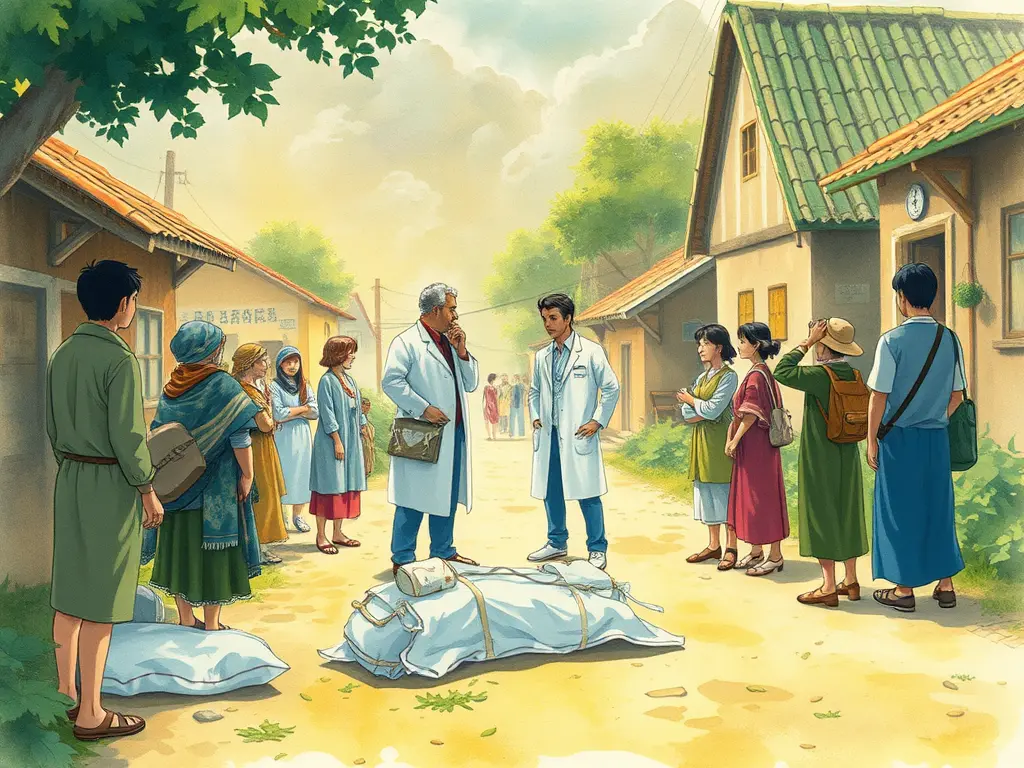
The Paradox of Care: Mistrust and Tradition Fueling Violence Against Ebola Response
Escalating Violence Against Health Facilities
Healthcare facilities dedicated to treating Ebola are increasingly becoming targets of violent community unrest. These attacks severely undermine containment efforts, allowing the virus to proliferate unchecked within vulnerable populations. The aggression stems not from malice, but from a profound breakdown in communication and trust between medical responders and local residents.
The Roots of Deep-Seated Skepticism
Historical marginalization and misinformation have cultivated a fertile ground for conspiracy theories regarding foreign medical interventions. Many locals perceive isolation centers as death traps rather than places of healing, fueled by the high mortality rate associated with the disease. This skepticism is exacerbated when families are denied access to their sick relatives, creating an emotional chasm that logic alone cannot bridge.
Cultural Rituals Versus Biosecurity Protocols
A central point of conflict lies in the clash between traditional burial rites and strict biosecurity protocols. In many affected cultures, washing and touching the deceased is a sacred duty essential for the soul's peaceful transition. However, Ebola remains highly contagious post-mortem, necessitating immediate sealing of bodies in protective bags, which communities view as a disrespectful desecration of their ancestors.
The Psychological Impact of Isolation
The visual symbolism of white hazmat suits and opaque body bags creates an atmosphere of alienation and fear. These images reinforce the narrative that health workers are distant, unfeeling agents of death rather than compassionate caregivers. Without cultural mediators to humanize the medical response, the protective gear intended to save lives inadvertently fuels the hostility that endangers them.
Pathways to Community Engagement
Resolving this crisis requires a shift from enforcement to empathetic engagement with community leaders and religious figures. Integrating safe burial practices that respect cultural dignity while maintaining medical safety is crucial for rebuilding trust. Only by acknowledging the validity of local grief and traditions can health organizations hope to secure the cooperation necessary to eradicate the outbreak.
0 Comments
Please login to leave a comment