Diplomatic Obstruction
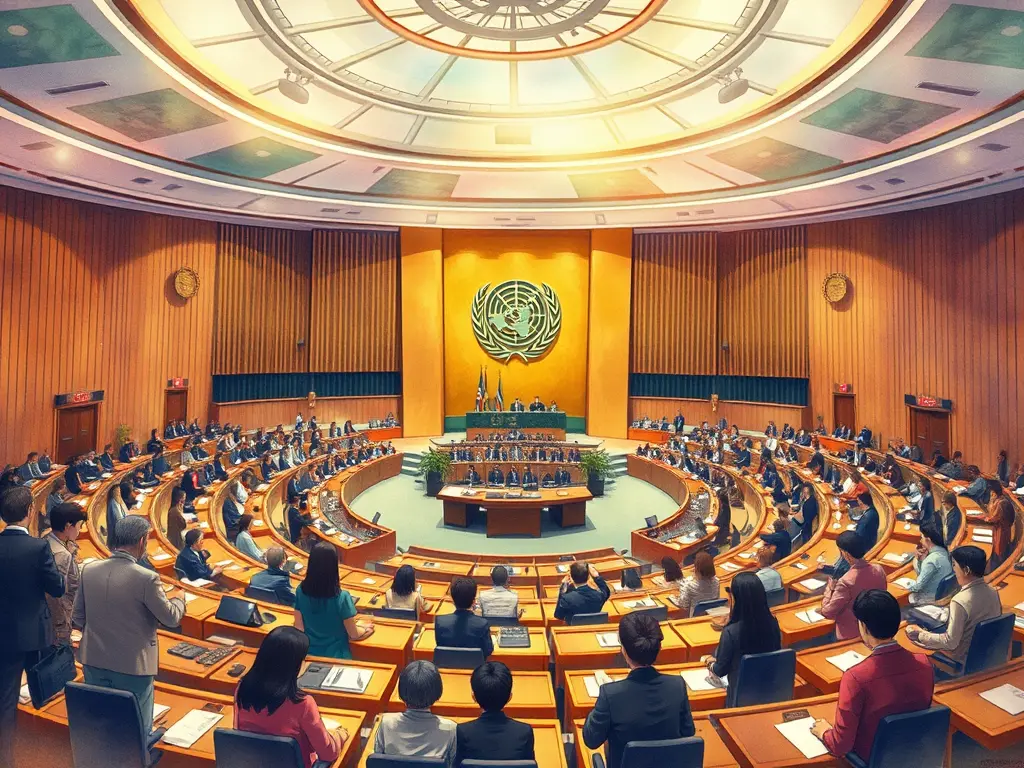
The Russian Federation has formally opposed the candidacy of both Japan and Germany for permanent seats on the UN Security Council. During the recent General Assembly session, this move signaled a significant diplomatic rift regarding the expansion of the council's membership structure.
Historical Grievances
Foreign Minister Sergey Lavrov explicitly articulated Moscow's stance, citing historical grievances against Japan. He argued that current geopolitical alignments cannot be separated from past conflicts, thereby casting doubt on the suitability of Tokyo's bid for elevated international status.
European Security Implications
This veto power exercise introduces new complexities into ongoing debates concerning European security frameworks. By linking Asian diplomatic issues with broader continental stability concerns, Russia has effectively raised the stakes for Western-aligned nations seeking reform within the UN system.
Strategic Deadlock
The opposition creates a strategic deadlock for Berlin and Tokyo, who have long advocated for multilateral reform. Without Russian consent, achieving the necessary two-thirds majority in the General Assembly becomes increasingly difficult, potentially stalling these ambitious diplomatic goals for years to come.
Future Uncertainty
As diplomatic tensions escalate, the path toward a revised Security Council composition appears more obstructed than ever. Both nations must now navigate a challenging landscape where historical narratives play a decisive role in modern geopolitical negotiations.
0 Comments
Please login to leave a comment