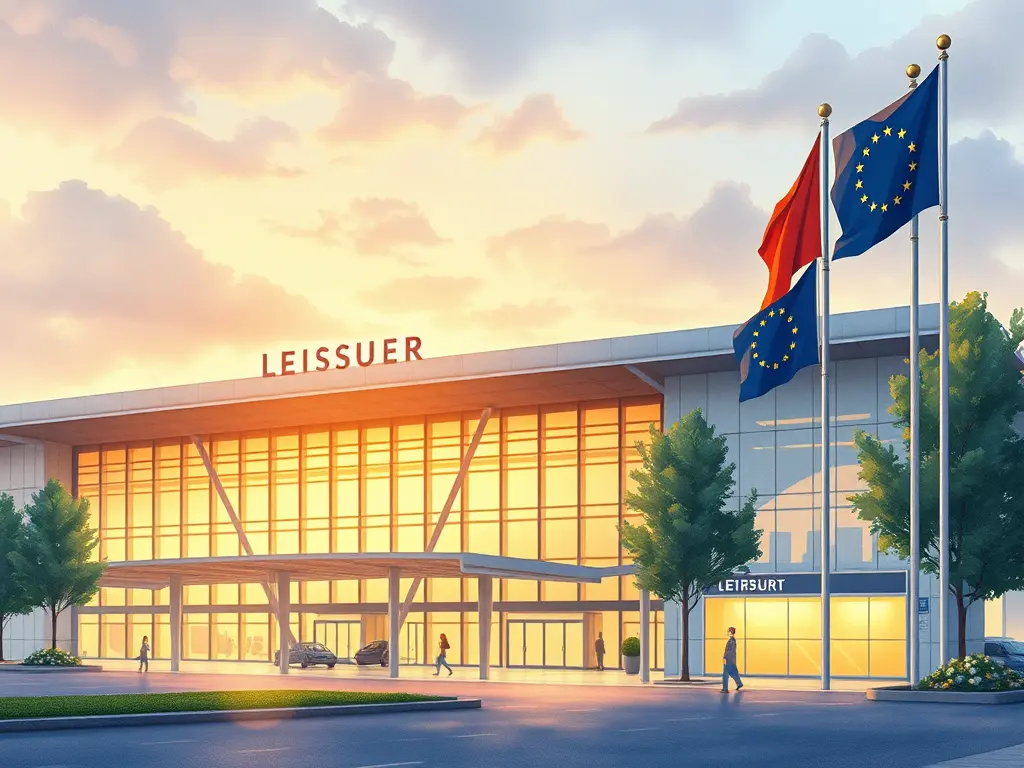
Identification of State-Sponsored Aggression
German authorities have formally identified the recent attack at Leipzig-Halle Airport as an act of state-sponsored terrorism. Intelligence assessments point directly to Russian involvement in orchestrating the incident. This designation marks a significant escalation in diplomatic tensions between Berlin and Moscow. The severity of the accusation underscores the gravity with which the German government views the breach of security.
Diplomatic Repercussions and Summons
In response to these findings, the European Union has taken immediate diplomatic action. The EU summoned the Russian ambassador to Brussels to deliver a strong formal condemnation. High-level officials emphasized that such acts violate international law and fundamental human rights. This summons serves as a clear warning that the EU will not tolerate covert operations on its soil.
Implementation of Countermeasures
Alongside diplomatic protests, the EU announced a series of concrete countermeasures against Russia. These measures include restrictions on airspace access for Russian aircraft within EU member states. Additionally, financial and travel bans may be expanded to target individuals linked to the plot. These steps aim to impose tangible costs on the Russian state for its aggressive behavior.
Broader Implications for European Security
The attack highlights ongoing vulnerabilities in European infrastructure and border security protocols. It reinforces the need for increased intelligence sharing among EU member nations. Leaders argue that unity is essential to deter future hybrid warfare tactics. The incident serves as a stark reminder of the geopolitical challenges facing the continent today.
0 Comments
Please login to leave a comment